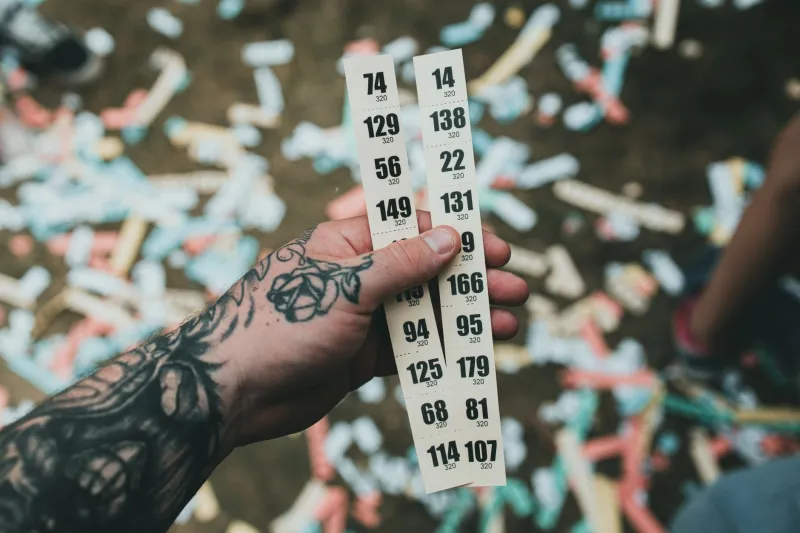
Grandma's Lucky Numbers Are Sweet — But Are They Actually Costing You?

Let's be real — there's something almost sacred about playing the numbers passed down through your family. Maybe your grandmother hit a modest jackpot with 7-14-21-28 back in 1987 and never let anyone forget it. Maybe your dad plays his birthday, your mom's birthday, and your dog's adoption date every single week without fail. These traditions carry weight. They feel meaningful. They connect you to the people you love.
But here's the uncomfortable truth that nobody really wants to talk about at Thanksgiving dinner: those beloved family numbers might be one of the worst strategic choices you can make at the lottery counter.
The Sharing Problem Nobody Mentions
Most lottery games — whether you're playing Powerball, Mega Millions, or your state's daily draw — operate on a split-prize system. If multiple tickets match the winning numbers, the jackpot gets divided equally among all the winners. That's great news for the lottery. It's not-so-great news for you if you're holding the same combination as 847 other players.
And that's exactly what happens when you play numbers tied to human milestones. Birthdays are the classic culprit. Because birthdays max out at 31 (the highest day in any month), a huge chunk of the playing population gravitates toward numbers in the 1–31 range. Studies on lottery play patterns consistently show that low numbers — especially those under 32 — are dramatically overrepresented on submitted tickets compared to higher numbers like 45, 52, or 68.
The result? Even if those numbers hit, your slice of the pie shrinks considerably.
Why We're All Wired to Play the Same Numbers
This isn't about intelligence — it's about psychology. Humans are meaning-making machines. We attach significance to dates, anniversaries, ages, and sequences that have appeared in our lives before. When your uncle won $200 playing 3-7-11-22, your brain files that away as evidence that those numbers are somehow "charged." Psychologists call this the availability heuristic — we judge the likelihood of something based on how easily an example comes to mind.
Family lore supercharges this effect. When a number combination comes with a story — Grandma's numbers, Dad's lucky picks, the jersey numbers of your favorite players — it carries emotional authority that feels almost as solid as statistical fact. The story makes the numbers feel special to you. The problem is, those same kinds of stories exist in millions of other households too.
Birthdays. Anniversaries. Graduation years. Lucky 7s and 8s. These aren't unique to your family. They're universal human touchstones, which means the numbers attached to them are anything but unique on a lottery ticket.
The Most Overplayed Number Combinations in America
Researchers and lottery analysts have spent years tracking which combinations get played most frequently. The findings are pretty striking:
- 1-2-3-4-5-6 remains one of the most submitted combinations in multi-number lottery games, despite being statistically no less likely to win than any other sequence.
- Sequences built from single-digit "lucky" numbers — especially 3, 7, 8, and 11 — cluster heavily in submitted tickets.
- Birthday-based picks (numbers exclusively between 1 and 31) account for a disproportionate share of all lottery entries.
- Repeated digit patterns like 11-22-33-44 or 10-20-30 are enormously popular, partly because they feel "intentional" and memorable.
The kicker? None of these combinations are more or less likely to be drawn. Every combination in a fair lottery has identical odds. But your payout if you win is directly affected by how many other people played the same numbers. Popular combinations mean smaller payouts, even on a winning ticket.
So Should You Ditch the Family Tradition Entirely?
Not necessarily — and we're not here to tell you to stop honoring something that feels meaningful to you. Playing Grandma's numbers might bring you genuine joy, and that has real value in a casual gaming experience. If the ritual itself is part of why you play, that's completely valid.
But if you're playing to maximize the potential size of your individual payout — not just the odds of winning something — then it's worth thinking strategically about at least some of your selections.
Finding Numbers That Are Actually Yours
The goal isn't to pick "better" numbers in some magical sense. It's to pick numbers that fewer other people are likely to choose, so that if lightning strikes, you're not splitting a fortune 500 ways.
A few approaches that lottery strategists and casual players alike have found useful:
Go high. Numbers above 31 are statistically underplayed because they can't be derived from calendar dates. Incorporating them into your picks — even just a few — already separates you from the birthday-pickers.
Avoid obvious patterns. Sequences, multiples of 5 or 10, and repeated digits are all popular choices. Mixing in some numbers that don't follow a visual pattern on the ticket makes your combination less likely to be duplicated.
Try a quick pick — sometimes. Random computer-generated picks are genuinely random and don't cluster around the same emotionally significant numbers that human players gravitate toward. Many big jackpot winners have hit with quick picks for exactly this reason.
Create a hybrid approach. Keep one or two of Grandma's numbers if it feels right, but fill out the rest with less predictable choices. You honor the tradition without going all-in on a combination that thousands of other players might also be holding.
The Emotional Math vs. The Real Math
Here's the thing about lucky numbers passed down through families: they work on a different kind of math. The emotional math says these numbers carry history, love, and meaning — and that's genuinely worth something in the context of a fun gaming experience. The statistical math says every combination is equally likely to be drawn, but not equally likely to deliver a solo payout.
Both of those things can be true at the same time. You don't have to choose between honoring your family's traditions and playing smart. But it helps to know what you're actually optimizing for when you fill out that ticket.
At 8Good88, we think the best gaming experiences happen when you're fully in the driver's seat — understanding the game, making intentional choices, and having fun with the process. Whether you're playing Grandma's numbers, a quick pick, or some wild combination you dreamed up yourself, knowing the landscape puts you in a better position to enjoy the ride.
So go ahead and keep the family tradition alive. Just maybe let Grandma's numbers share the card with a 47 and a 63 this week. She probably won't mind.