Lucky Months, Lucky Days: Do Winning Streaks Actually Follow a Calendar?

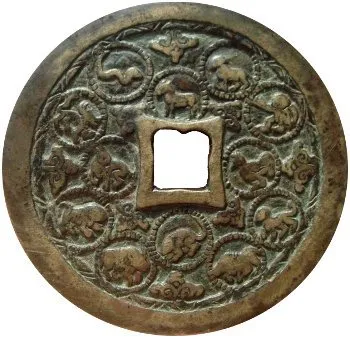
Photo: Ottavio Beltrano, Public domain, via Wikimedia Commons
Somewhere out there, a player is absolutely convinced that October is their month. Maybe they hit a small win last fall, or they read something online about holiday jackpots. Whatever the reason, they're stacking up their plays as soon as the leaves start turning. But is there anything real behind that gut feeling — or is the calendar just another story we tell ourselves?
At 8Good88, we love a good data deep-dive. So we pulled together historical patterns from major US lotteries, scratch-off payouts, and multi-state jackpot data to see whether timing your plays around the calendar actually moves the needle. Spoiler: the answer is more nuanced than you'd expect.
The Raw Numbers: When Do Big Jackpots Actually Pay Out?
Here's a starting point that surprises a lot of players: large jackpot payouts don't cluster evenly throughout the year. Multi-state games like Powerball and Mega Millions have historically seen some of their biggest jackpot claims in the first quarter — January through March — and again in the fall window of September and October.
But before you circle those months on your calendar, there's a catch. Jackpots grow over time when nobody wins, which means a payout in January might reflect a rollover streak that started back in October. The claim date and the peak play date are two different things. What the data actually shows is that jackpot sizes tend to swell during the holiday season — November and December — because more people are buying tickets as gifts or playing casually at family gatherings. More tickets sold means bigger jackpots, and bigger jackpots eventually get won. The payout just often lands a few weeks later.
So if there's a real seasonal effect, it's driven by player volume, not by some cosmic alignment of the stars.
Does the Day of the Week Matter?
This one's a genuine rabbit hole. Lottery drawings are scheduled events, so the question shifts from "when do wins happen" to "when do players think they're most likely to win."
Surveys of regular lottery players consistently show that Friday is the most popular day for ticket purchases in the US, largely because of Powerball and Mega Millions draw schedules. More tickets purchased on a given day means statistically more winners on that day — but it also means your individual odds are slightly diluted because you're sharing the pool with more players.
Monday and Tuesday purchases, by contrast, tend to see lower volume. If you're playing a game where the jackpot is split among multiple winners, quieter days could theoretically mean you're less likely to split a prize. That's a real, if modest, mathematical consideration — not just superstition.
The Memory Trap: Why You Think You Win More in Summer
Here's where it gets psychological. Humans are wired to remember wins that feel meaningful, and summer wins feel meaningful. You're relaxed, you're maybe on vacation, you stopped at a gas station on the way to the beach and scratched off a $50 ticket. That memory sticks.
Researchers call this confirmation bias — we notice and remember the data points that confirm what we already believe, and quietly forget the ones that don't. If you've decided spring is your lucky season, you'll remember every small win from March through May and mentally file away the losses.
This is why so many players swear by a specific month even when their actual win/loss record tells a different story. The calendar becomes a kind of personal mythology.
Real Patterns Worth Paying Attention To
Okay, so not everything is in your head. Here are a few genuine patterns that hold up under scrutiny:
Holiday season ticket volume spikes. Between Thanksgiving and New Year's, lottery ticket sales in the US jump significantly — sometimes by 20 to 30 percent in high-traffic states. That means jackpots grow faster, which is real and measurable.
New game launches concentrate winners early. When a new scratch-off series or lottery format launches, unclaimed top prizes are distributed across the initial print run. Early buyers statistically have better access to top-tier prizes before they're claimed. This isn't about the month — it's about catching a game when it's fresh.
End-of-year jackpot resets. Some state lotteries adjust prize structures or introduce limited-time games around the new year. Players who track these changes can time their play around windows of higher expected value.
So Should You Play by the Calendar?
Honestly? Not in any rigid way. The data suggests that player volume — not mystical timing — is the main driver of jackpot sizes and payout timing. If you want to play when jackpots are largest, follow the rollover streaks, not the seasons.
That said, there's nothing wrong with having a ritual. If playing on your birthday or during your "lucky month" makes the experience more fun, that's a completely valid reason to do it. Games of chance are entertainment first, and if the calendar adds a little extra excitement to your play, lean into it.
Just keep your eyes open to the difference between a pattern you've spotted in the data and a pattern you've invented in your memory. One of those will serve you better at the ticket counter.
At 8Good88, we're always here to help you play smarter — and have more fun doing it. Whether your lucky day is Monday or the first full moon of October, the best time to play is whenever you're playing responsibly and enjoying the ride.